Strategic Planning Dashboard: 8663157559, 8663436138, 8663445632, 8664040322, 8664192319, 8664203448

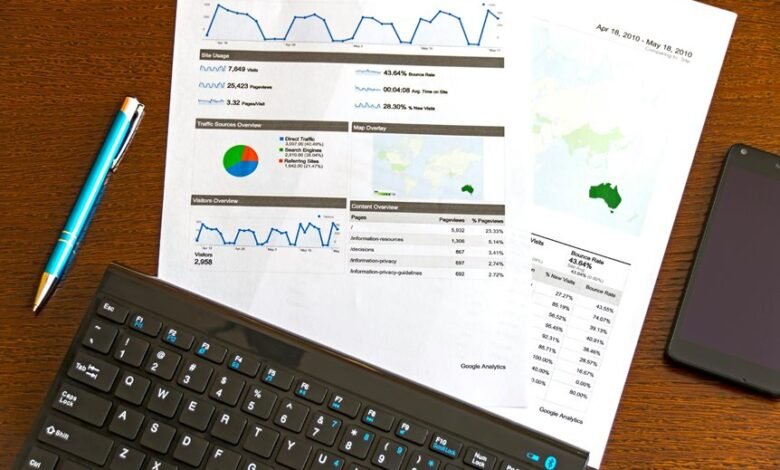
A Strategic Planning Dashboard serves as a pivotal tool for organizations seeking to refine their planning processes. By merging performance metrics with effective data visualization, it facilitates quick insights and informed decision-making. This not only enhances accountability but also aligns strategic initiatives with innovation. As teams embrace customizable metrics, the potential for improved outcomes emerges. What implications does this have for organizations navigating today’s complex business landscape?
Importance of a Strategic Planning Dashboard
The effectiveness of strategic planning is often rooted in the clarity and accessibility of information, making the strategic planning dashboard an indispensable tool for organizations.
By integrating performance metrics with data visualization, it empowers decision-makers to interpret complex data swiftly.
This clarity fosters informed choices, enabling organizations to adapt dynamically to changing environments, ensuring that strategic goals align with the pursuit of freedom and innovation.
Key Features to Look For
When assessing a strategic planning dashboard, organizations should prioritize features that enhance data integration and user experience.
Essential elements include robust data visualization tools that transform complex datasets into clear insights.
Additionally, customizable performance metrics allow users to track progress effectively, ensuring alignment with strategic goals.
These features foster informed decision-making and promote a culture of accountability, empowering organizations to navigate their future with confidence.
Enhancing Communication and Collaboration
While organizations aim for strategic alignment, enhancing communication and collaboration emerges as a pivotal component of effective strategic planning.
By fostering team alignment through open dialogue and shared goals, organizations can leverage data visualization to streamline information flow.
This approach not only empowers teams but also cultivates a culture of transparency and innovation, ultimately driving success in achieving strategic objectives.
Conclusion
In conclusion, a Strategic Planning Dashboard serves as a compass for organizations navigating the complexities of modern business, ensuring alignment between goals and execution. By offering customizable metrics and fostering transparency, it empowers teams to take ownership of their performance. Just as a lighthouse guides ships safely to shore, this dashboard illuminates the path to informed decision-making and strategic success, enhancing adaptability and collaboration in an ever-evolving landscape. Embracing such tools is vital for sustained organizational growth.